Rotherham Hospice announces ‘heartbreaking’ charity shop and café closures in Chancellor’s constituency
- Posted on
- In Uncategorized

Rotherham Hospice has announced the closure of its Wath charity shop and Swinton Café, describing the decision as “heartbreaking but necessary” and calling on Chancellor and local MP John Healey to address the financial pressures facing the charities that help fund essential care in his own constituency.
The Hospice, rated Outstanding overall by the Care Quality Commission (CQC) and recently named Medium Charity of the Year at the 2026 Third Sector Awards, says declining footfall, rising employer National Insurance contributions and increases in statutory wage costs have made the two sites financially unsustainable. The closures underline the financial pressures facing even charities recognised nationally for the quality of their care and the strength of their work.
With government funding covering just 36% of its running costs, Rotherham Hospice must find the remaining 64% through fundraising, donations and the income generated by its shops and cafés.
The charity has stressed that its other shops and cafés remain open, including its separate Swinton retail shop on the same precinct as the café.
Mat Cottle-Shaw, Chief Executive of Rotherham Hospice, said:
“These are heartbreaking decisions because our shops and cafés are much more than places where people spend money. They are familiar faces, friendships, opportunities to volunteer and a connection between our Hospice and the communities we serve.
“Our oldest shop, Wath, carries years of generosity and commitment within its walls. Closing it is not something we ever wanted to do.
“But we have a responsibility to the people who need our care and to everyone who donates to us. When a shop starts costing the Hospice money rather than raising it, continuing indefinitely would mean taking money away from the very purpose it exists to support. However painful, we cannot ignore that.”
Every effort to find a sustainable future
Wath is the Hospice’s oldest shop and the only retail premises the charity owns. Footfall has been declining for some time, and earlier this year the Hospice converted it into a clearance store in a final attempt to attract more customers and restore its financial contribution.
Despite the efforts of staff and volunteers, the change did not generate the improvement needed. Higher employment costs, together with essential building maintenance anticipated in the coming years, have left the shop loss-making and no longer viable.
Following consultation with Wath staff, voluntary redundancy arrangements have been agreed. Volunteers have been supported to move to other Hospice shops so their valued contribution can continue.
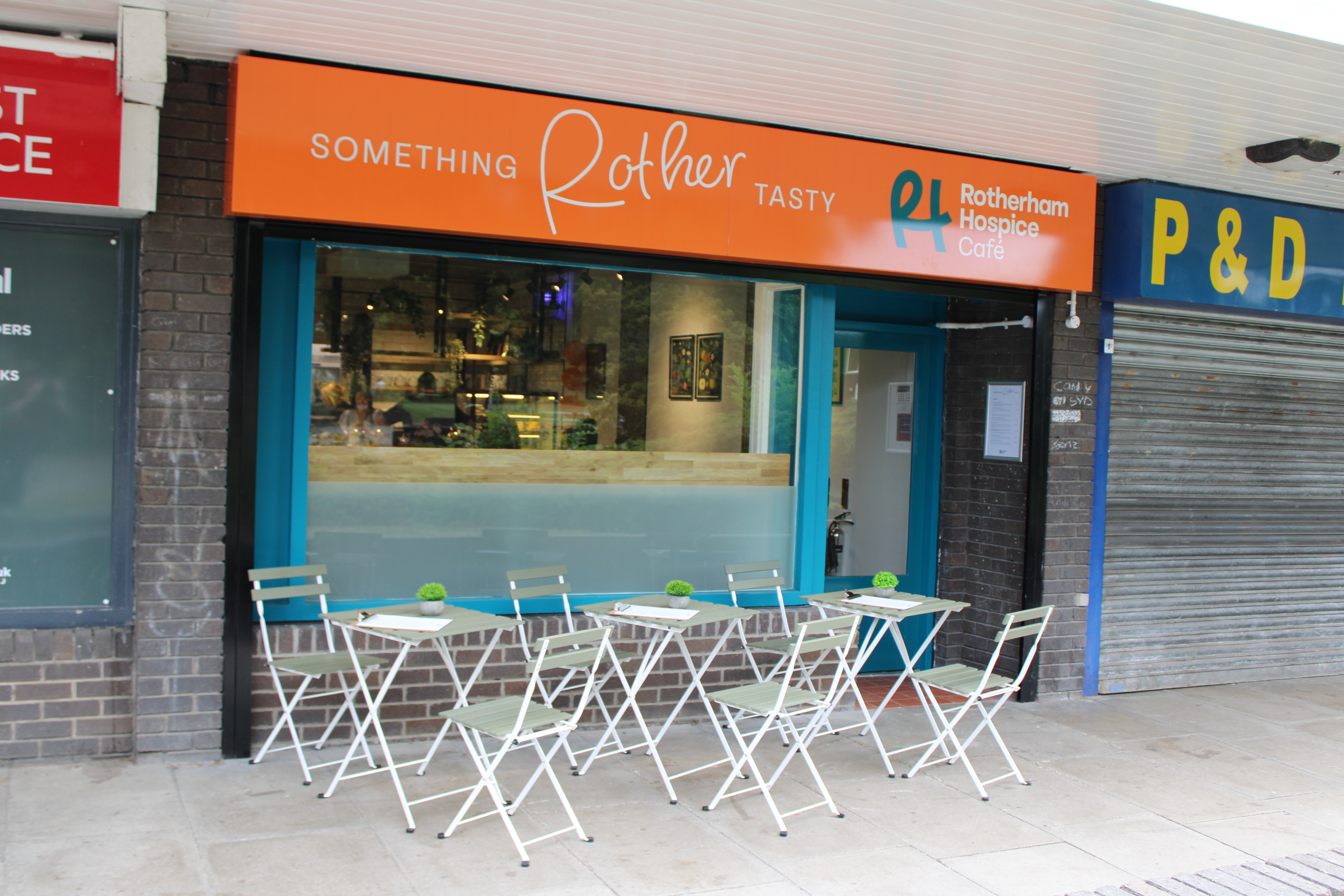
At Swinton Café, rising costs and insufficient footfall have also prevented the business from achieving the sustained level of sales needed to generate a reliable surplus for Hospice care.
The Swinton Café team has been redeployed to the Hospice’s other cafés, located within its Parkgate Superstore and at the Hospice itself on Broom Road.
Mat paid particular tribute to Wath shop manager Lisa, assistant manager Linda, and Swinton Café Bistro Cook Nicola:
“Lisa and Linda have run our Wath shop with tremendous diligence, loyalty and care over the years. Alongside our wonderful volunteers, they have turned the generosity of local people into support for people facing some of the most difficult moments of their lives.
“To every volunteer who has given their time at Wath, and every customer and donor who has supported the shop: thank you. Closing its doors does not diminish what you have achieved or the difference you have made. The care you have helped fund is a lasting legacy of your kindness.
“Nicola has also done a tremendous job at Swinton Café, particularly in recent times, and we are deeply grateful to her and the whole team.
“These closures are not a reflection of a lack of effort or commitment. Our colleagues have worked incredibly hard in circumstances that have become increasingly difficult.”
Fair pay must be matched by fair funding
The Hospice says the financial contribution of charity retail and cafés can be misunderstood. Donated stock and volunteer support are invaluable, but wages, employer contributions, energy, insurance, transport and property costs must still be paid before income can support charitable services. The Charity Retail Association has identified rising operating and employment costs as persistent pressures on shop viability.
Since April 2025, the standard employer National Insurance rate has increased from 13.8% to 15%, while the annual earnings threshold at which employers start paying has fallen from £9,100 to £5,000. Employment Allowance has also increased, providing eligible employers with relief of up to £10,500 annually.
Alongside these changes, the National Living Wage for workers aged 21 and over has risen from £11.44 an hour in April 2024 to £12.71 from April 2026.
Mat said:
“A busy till is not the same as money available for care. Only what remains after the bills are paid can support our services. At sites operating on narrow margins, rising costs and fewer customers can quickly wipe out that contribution.
“We are being squeezed from both directions: the cost of providing care is increasing, while the businesses we operate to help pay for that care are becoming harder to sustain.
“Our staff deserve fair pay. This is not an argument for paying people less. It is an argument for government to take responsibility for the combined consequences of its decisions.
“You cannot keep increasing the cost of employing people, leave charitable care providers to find most of their own funding, and then be surprised when something has to give. Fair pay must be matched by fair funding and meaningful support for the organisations expected to deliver it.
“We need ministers to consider the cumulative impact of tax and wage decisions on employers of every size, including charities. When a business is already operating on a small margin, an increase in costs is not simply absorbed. It can be the difference between keeping the doors open and closing them.
“Good intentions in Westminster must be matched by a workable reality in our communities.”
A warning reaching beyond Rotherham
The pressures are being felt nationally. In August 2026, Hospice UK reported that 87 hospices participating in its financial benchmarking survey recorded a combined deficit of more than £70 million for 2025/26, more than double the previous year. It also warned that almost six in ten hospices had made or were considering reductions to frontline services.
Charity retailers are also making difficult decisions. Cancer Research UK announced a programme involving around 90 shop closures by May 2026 and up to 100 more by April 2027, citing pressures including higher National Insurance contributions and reduced footfall.
In June 2026, the British Heart Foundation proposed closing around 150 shops and stores by March 2028 following a review prompted by rising operating costs and changing customer habits.
Rotherham Hospice has welcomed past government investment in hospice buildings and equipment, but says this cannot replace dependable funding for everyday care. Hospice UK has similarly welcomed capital funding while warning that further support is needed to prevent service reductions.
Mat added:
“We are asking John Healey, as both Chancellor and the MP for the communities affected, to help turn recognition of this problem into action.
“We need sustainable, multi-year hospice funding that reflects the real cost of care, targeted support with employer National Insurance, and a serious assessment of how further employment-cost increases can be supported rather than simply passed on.
“These are not abstract pressures on a spreadsheet. In his own constituency, they are contributing to the loss of places where people have worked, volunteered, met friends and supported their local Hospice.”
Outstanding care needs sustainable funding, not just recognition
Mat continued:
“Rotherham Hospice is rated Outstanding by the Care Quality Commission, and we have just been named Medium Charity of the Year at the Third Sector Awards. That recognition belongs to our exceptional staff, volunteers and the community that stands behind us. It is something we are immensely proud of.
“But an Outstanding rating does not pay a National Insurance bill, and an award does not close the gap between what our care costs and what government contributes.
“There is a painful contradiction in being recognised for the quality of our care while having to close the community businesses that help fund it. Our responsibility is to protect that care, and sometimes that means making decisions that break our hearts.
“We are not asking government to fund an aspiration. We are asking it to help sustain the outstanding care our community already has, and to enable more people to benefit from it.
“Our staff deserve fair pay, and the people of Rotherham deserve properly funded hospice care. Those ambitions should support one another, not be placed in competition because charities are left to absorb rising costs without the funding to match.
“Outstanding care needs sustainable funding, not just recognition. Our community’s generosity should help us do more for people, not be treated as an endless substitute for properly funding essential care.
“As need grows, we should be planning how to reach more families, not having to close the places that help us pay for that support.”
Other shops and cafés remain open and need your support
The Hospice’s Manvers shop remains open near Wath, alongside its Parkgate Superstore and Parkgate Clearance Store.
Its Swinton retail shop remains open on the same precinct and will continue trading. The closure relates to the café, not the separate charity shop.
The cafés within the Parkgate Superstore and at Rotherham Hospice on Broom Road also remain open, as do the Hospice’s other retail stores.
Mat concluded:
“To the people of Wath and Swinton: thank you for everything you have given these places. Your support has mattered, and it will continue to matter.
“Please keep visiting our remaining shops and cafés. Buy something you need, donate good-quality items, meet a friend for a coffee or give a little of your time as a volunteer.
“And wherever you live in the country, please support your local charity shops. Behind those shopfronts are causes, services and people who depend on them. A purchase that feels small to you can be part of something life-changing for somebody else.
“We are making these difficult decisions because we take our responsibility to Rotherham seriously. Our commitment to this community has not changed. Protecting the future of its Hospice is precisely why we have had to act.”
You can help us keep going. Donate today or visit one of our shops — every purchase and every gift helps fund the care our community relies on.